Common Small Animal Problems in Commercial and Industrial Properties
People dealing with common small animal problems in commercial and industrial properties can rely on local service providers to effectively remove and prevent pests like rodents and raccoons.
Property owners managing commercial and industrial spaces often face the challenge of small animals finding their way into buildings and storage areas. These issues can lead to damage, contamination, and disruptions that impact daily operations. Understanding common small animal problems in commercial and industrial properties can help owners identify early signs of intrusion and take practical steps to address them. Local service providers specializing in small animal removal are equipped to handle these situations efficiently, ensuring that infestations are managed safely and effectively.
Exploring this topic is especially relevant for those who want to maintain a safe, clean, and operational environment. Small animals such as rodents, birds, or insects can quickly become a nuisance if not dealt with promptly. Property owners seeking reliable solutions often turn to experienced local contractors who offer effective removal services. Keeping informed about common small animal problems in commercial and industrial settings helps owners make informed decisions and connect with the right experts for their needs.
- Bird control and removal - property managers may need this service when bird droppings or nests threaten building integrity, and local contractors use humane methods to safely remove and prevent future issues.
- Rodent exclusion and trapping - when rodents invade commercial spaces, local service providers implement sealing and trapping strategies to eliminate infestations and secure entry points.
- Bats in attics or ceilings - businesses experiencing signs of bat presence often seek expert removal, with local pros safely evicting bats and restoring building safety.
- Squirrel removal and prevention - if squirrels are nesting in walls or roof spaces, local contractors employ humane trapping and exclusion techniques to resolve the problem.
- Other small animal removal services - commercial and industrial properties facing issues with raccoons, skunks, or other small animals can rely on local pros to handle removal and prevent recurrence.
Understanding common small animal problems in commercial and industrial properties involves recognizing the various ways these creatures can impact a business or facility. When searching for this topic, property owners and managers are often concerned about animals such as rodents, squirrels, raccoons, or birds that may invade buildings or outdoor spaces. These problems can lead to structural damage, contamination of stored goods, or health hazards for employees and visitors. Many are also interested in preventative measures or removal strategies to address existing infestations and prevent future issues, making this a practical concern for maintaining safe and compliant operations.
The types of problems associated with small animals in these settings often relate to the animals gaining access to buildings through openings, vents, or damaged areas. Once inside, they may nest in hidden spaces, chew through wiring, or contaminate food storage areas. Plans to resolve these issues typically include exclusion work-such as sealing entry points-and removal services to safely eliminate the animals. Property owners may also seek ongoing monitoring or proofing solutions to prevent re-entry. These efforts are essential for protecting the integrity of the property and avoiding costly repairs or health-related liabilities.
Commercial and industrial properties where these issues frequently arise include warehouses, factories, retail centers, and office complexes. Warehouses storing inventory or supplies are particularly vulnerable due to their large open spaces and access points. Manufacturing facilities with ventilation systems or utility areas can also attract small animals seeking shelter or nesting spots. Retail centers with outdoor landscaping or loading docks may see increased animal activity as well. Recognizing the specific property type helps in understanding the common entry points and the most effective strategies for animal exclusion and removal.
Local service providers specializing in small animal removal play a crucial role in addressing these problems. They bring expertise in identifying how animals are gaining access, assessing the extent of the infestation, and implementing humane removal methods. These professionals can also help with sealing entry points, installing deterrents, and advising on ongoing prevention. For property owners, connecting with experienced local contractors ensures that small animal problems are handled efficiently and effectively, reducing the risk of property damage or health concerns. This targeted approach helps maintain the safety and integrity of commercial and industrial spaces.
Building inspection and pest exclusion projects involve identifying entry points and implementing barriers, skills that are essential for addressing small animal problems in commercial and industrial properties.
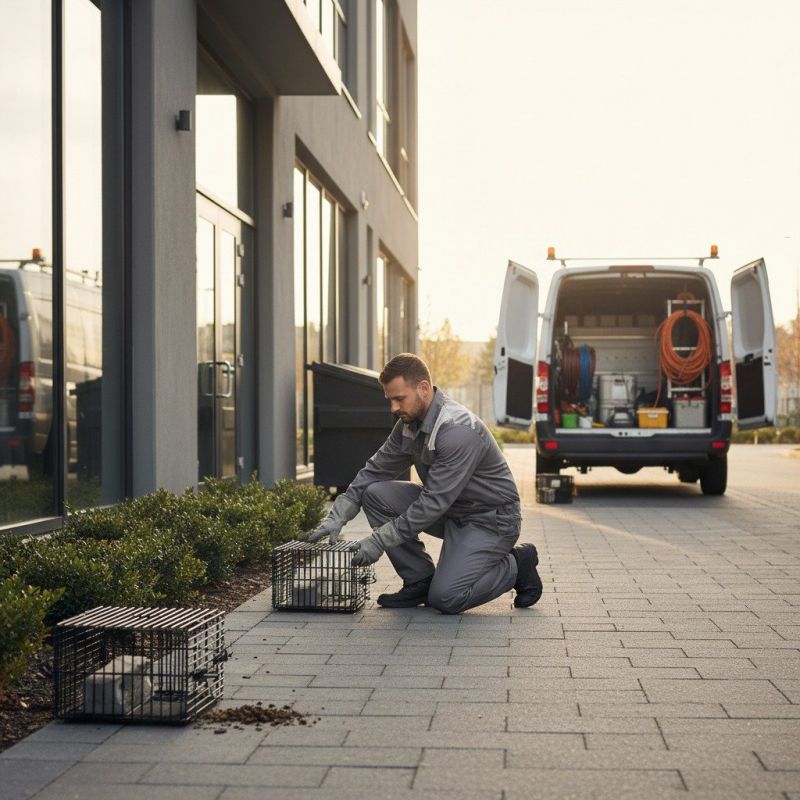
Wildlife trapping and removal services focus on safely capturing and relocating animals, directly relating to small animal removal challenges in commercial settings.
Ventilation system cleaning and sealing projects help prevent animals from nesting in ductwork and vents, a common issue in commercial properties affected by small animal activity.
Structural repair and reinforcement projects include sealing gaps and strengthening building integrity, which are key steps in preventing small animal infestations.
Roof and attic insulation services often address animal intrusion points and damage, requiring similar planning and access techniques used in small animal removal.
Warehouse and storage facility decontamination projects involve cleaning and sanitizing areas affected by animal presence, aligning with the cleanup aspect of small animal problems in commercial spaces.
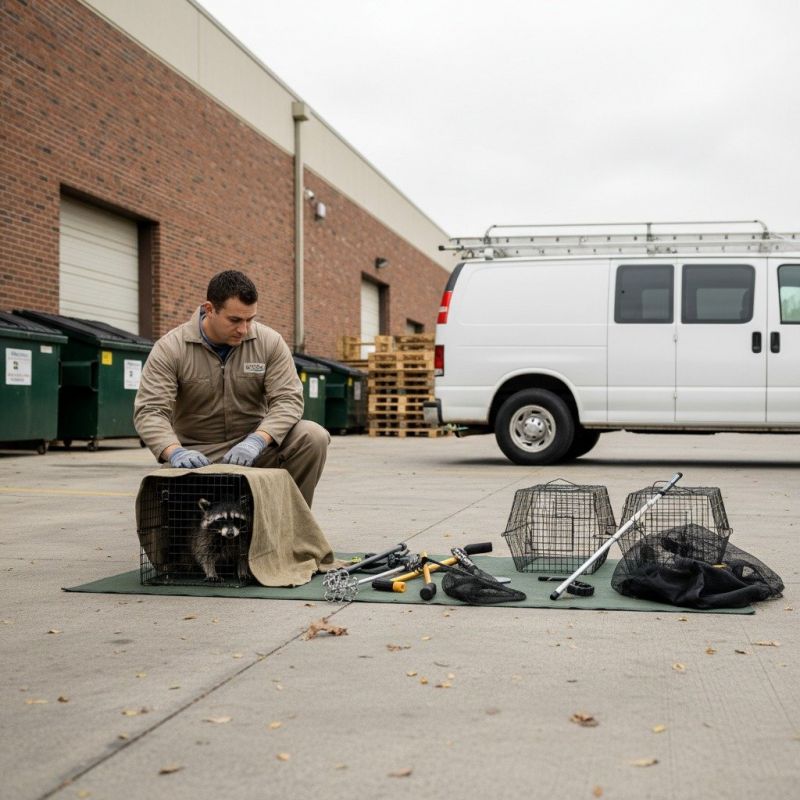
When evaluating service providers for small animal removal in commercial and industrial properties, it’s important to consider their experience with similar projects. Local contractors who have handled small animal problems in settings comparable to the property in question are more likely to understand the unique challenges involved. They can provide insights into effective removal methods and prevention strategies based on past work, helping ensure that the chosen approach is appropriate for the specific environment and animal types involved. Experience with comparable projects also demonstrates familiarity with the common issues faced in commercial settings, such as access points and structural considerations, which can influence the success of the removal process.
Clear, written expectations are essential when comparing local contractors for small animal removal services. Service providers should be able to outline their scope of work, including assessment procedures, removal techniques, and follow-up steps, in a straightforward manner. Having detailed, written information helps clarify what is included and what is not, reducing the potential for misunderstandings later on. It also provides a basis for comparing different options objectively, ensuring that the chosen contractor’s approach aligns with the property’s needs and that there are no surprises once the work begins.
Reputable references and strong communication are key factors in selecting reliable service providers. Local contractors with positive references from previous clients can offer reassurance of their ability to handle small animal issues effectively and professionally. Good communication throughout the process-such as prompt responses to inquiries and clear explanations of procedures-helps build trust and ensures that any questions or concerns are addressed promptly. When comparing options, it’s beneficial to seek out providers who prioritize transparent communication and have a track record of satisfied clients, as these qualities often indicate a commitment to quality service and customer satisfaction.
Property owners often search for common small animal problems in commercial and industrial properties when they are planning practical projects around their homes and businesses. Local pros provide Small Animal Removal services for everyday jobs and straightforward project options.
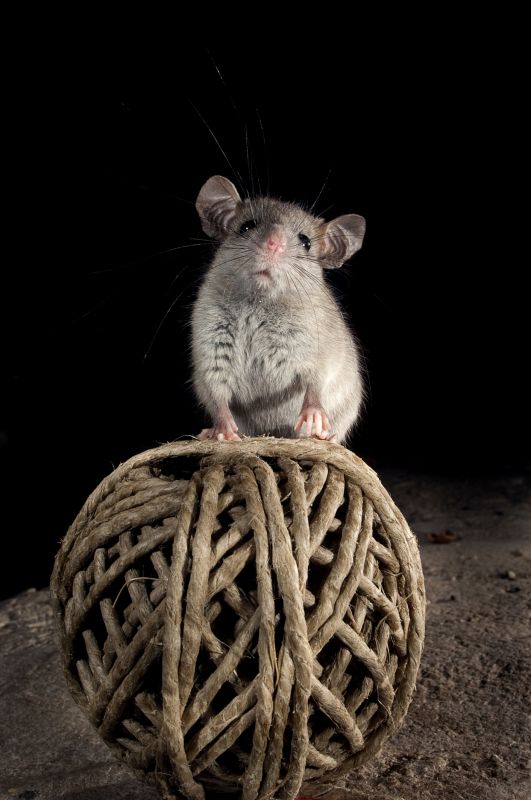
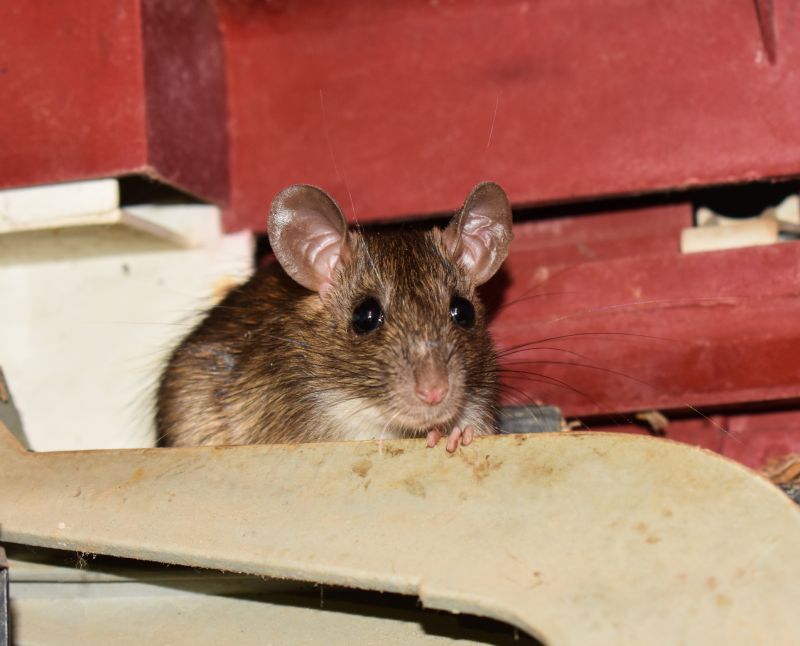
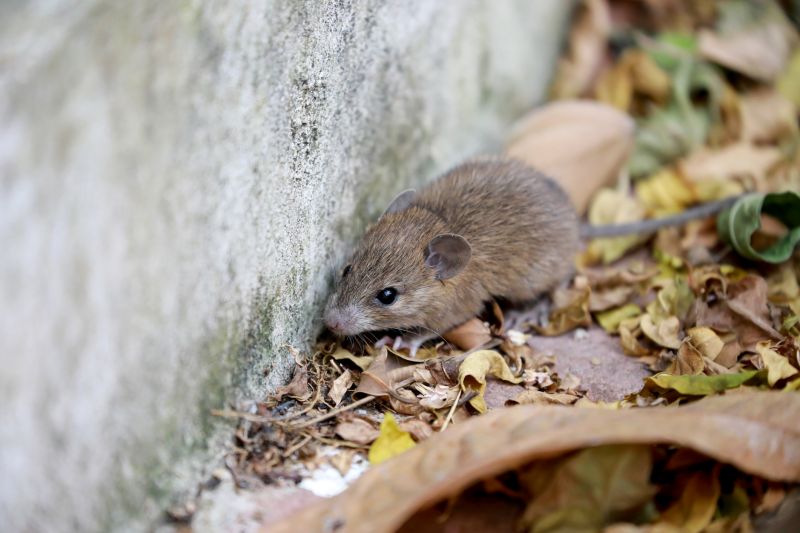
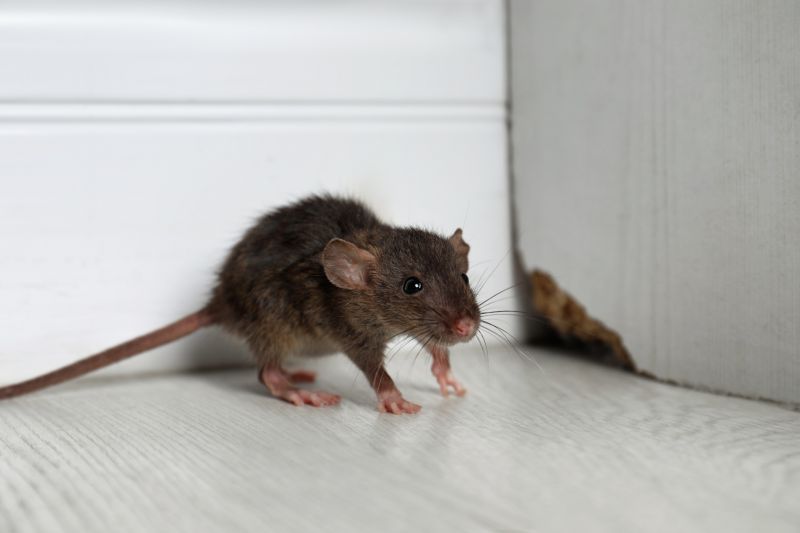
Many commercial and industrial properties face common small animal problems that can disrupt operations and compromise building integrity. Rodents like mice and rats are frequent visitors, often attracted by available food sources or shelter within walls, ceilings, and storage areas. Bird infestations, such as pigeons or starlings, can also become a concern, especially when their nesting habits lead to debris buildup or blockages in vents and eaves. Property owners noticing unusual noises, droppings, or signs of nesting often seek out local contractors experienced in small animal removal to address these issues efficiently and prevent further damage.
In addition to rodents and birds, other small animals like squirrels or raccoons may find their way into commercial spaces, especially in buildings with accessible attics or roof areas. These animals can cause structural damage, create fire hazards by gnawing on wiring, or introduce health risks through droppings and debris. When such problems arise, property owners typically look for local service providers who specialize in humane removal and exclusion methods. Connecting with experienced small animal removal professionals can help ensure that these common issues are resolved effectively, maintaining the safety and functionality of the property.
What are common small animal problems in commercial and industrial properties? Common issues include rodents nesting in walls, birds roosting on rooftops, and insects inhabiting storage areas, which can lead to property damage and health concerns.
How can small animals impact commercial or industrial buildings? Small animals can cause structural damage, contaminate food or products, and create unsanitary conditions that affect business operations and safety standards.
What signs indicate a small animal problem in a property? Signs include droppings, gnaw marks, unusual noises, nesting materials, and sightings of animals or their tracks around the premises.
Why should a property owner consider professional small animal removal services? Professionals have the expertise to safely and effectively remove animals, prevent re-entry, and address underlying issues to protect the property and maintain compliance.
What types of small animals are typically removed from commercial and industrial properties? Commonly removed animals include rodents like mice and rats, birds such as pigeons and starlings, and insects like wasps and cockroaches.
Identifying entry points - property owners can inspect buildings regularly to find small openings and gaps that animals may use to enter, enabling local contractors to seal these vulnerabilities. Preventative exclusion measures - installing barriers or mesh around vents and pipes can help keep small animals out of commercial spaces, with local pros providing expertise on effective installation. Monitoring for signs of activity - observing droppings, nests, or damage can alert owners to small animal presence, prompting professional removal before infestations worsen. Implementing cleanup and sanitation - removing food sources and clutter can discourage small animals from nesting, with local service providers assisting in safe cleanup and removal efforts.
If you are thinking about common small animal problems in commercial and industrial properties for a property, this guide is meant to help you understand this topic, the typical project types, and how different options might fit your plans.
When you are ready, you can use the quote form on this page to share a few details about your project. From there, local pros can review the basics and follow up with options that match what you have in mind.