When DIY Wildlife Removal Becomes Risky and Professional Help Is Needed
When DIY wildlife removal becomes risky and professional help is needed, local contractors can safely and effectively handle humane animal exclusion and removal.
Many property owners in the area find themselves facing wildlife intrusions that seem manageable at first but quickly become more complicated than anticipated. Attempting DIY wildlife removal can be tempting, especially for those who want to save time or money. However, when wildlife encounters involve larger animals, difficult access points, or signs of extensive damage, the risks of handling the situation without professional help increase significantly. Recognizing when wildlife removal becomes risky and professional help is needed can prevent further property damage and reduce safety concerns for everyone involved.
Local service providers specializing in wildlife removal understand the complexities of managing different types of animals and the potential hazards involved. They are equipped to handle situations that go beyond simple traps or deterrents, especially when animals are nesting, injured, or have created entry points that require expert intervention. Connecting with experienced wildlife removal contractors ensures that property owners receive effective solutions tailored to their specific circumstances, helping to resolve wildlife issues safely and efficiently without the need for risky DIY efforts.
- Attic Wildlife Removal - when DIY efforts fail to safely remove animals from attics, local contractors can implement humane trapping and sealing techniques.
- Bat Exclusion Services - if bats are roosting in structures and DIY methods are ineffective or risky, professionals can perform secure exclusion and prevent re-entry.
- Rodent Control - when rodents are difficult to access or removal attempts pose safety concerns, local pros use specialized tools and methods for effective elimination.
- Bird Nest Removal - if nests are built in hard-to-reach areas and DIY removal could cause damage or safety issues, experts can safely remove nests and prevent future nesting.
- Wildlife Damage Repair - when wildlife causes structural damage that DIY repairs can't address safely, local service providers can handle repairs and prevent further issues.
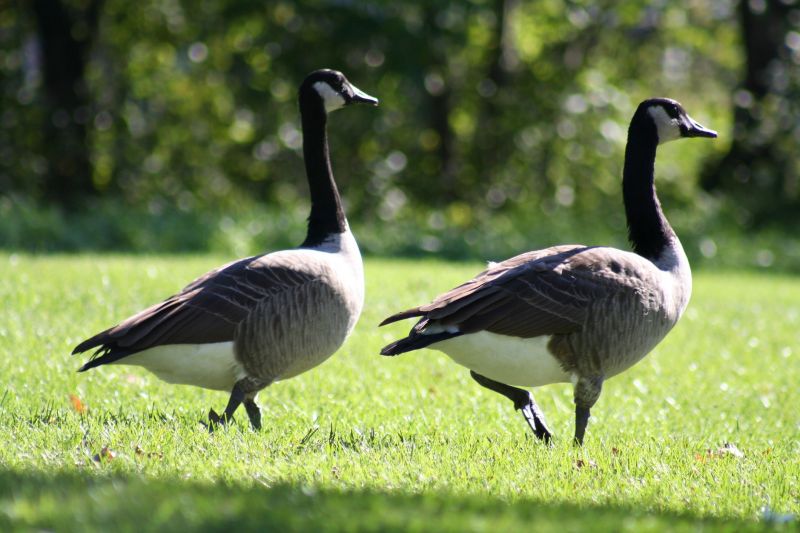
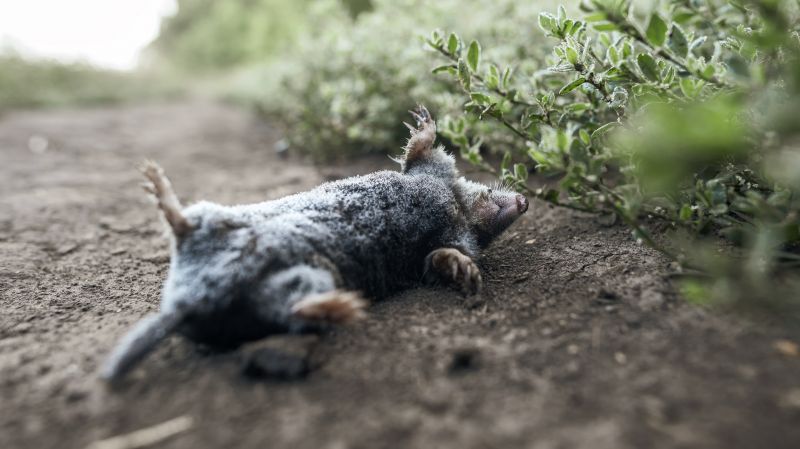
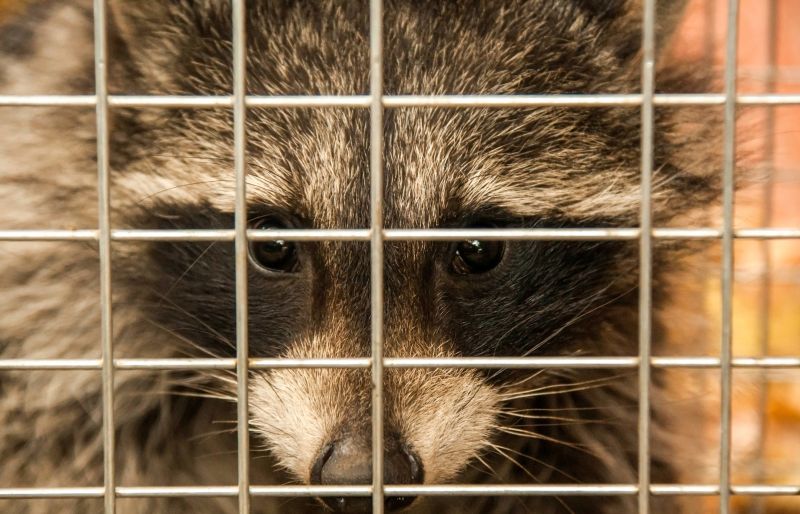
When homeowners search for information about when DIY wildlife removal becomes risky and professional help is needed, they are often trying to determine the limits of handling animal intrusions on their own. This topic typically arises when people notice signs of wildlife activity-such as droppings, unusual noises, or damage to structures-and consider tackling the problem without professional assistance. The goal is to understand whether attempting removal or exclusion measures personally could lead to unintended consequences, such as injury, property damage, or incomplete removal that allows animals to return. Many property owners want to avoid the pitfalls of amateur efforts and seek guidance on recognizing situations that require expert intervention.
The problems related to this topic often involve animals like raccoons, squirrels, bats, or birds that have taken up residence in or around a property. Plans might include sealing entry points, removing nests, or installing deterrents. However, these activities can quickly become complex or hazardous if the wildlife is aggressive, protected by law, or if the property has structural vulnerabilities. For example, attempting to remove bats without proper precautions can lead to exposure to diseases like rabies or histoplasmosis. Similarly, trying to handle raccoons or squirrels without the right tools and knowledge can result in bites or injuries, especially if animals feel threatened. These challenges highlight the importance of understanding when the risks of DIY efforts outweigh the benefits.
Properties that typically come into focus for this topic include residential homes, attic spaces, garages, and outbuildings. These structures often provide easy access points for wildlife seeking shelter or food sources. Older homes with damaged or poorly sealed areas are especially prone to wildlife entry, making DIY attempts tempting but risky. Commercial properties, barns, and sheds can also become hotspots for animal activity, especially in rural or semi-rural areas. In all cases, the complexity of the property’s architecture and the type of wildlife involved influence whether a homeowner should consider professional help. Recognizing these property types and their vulnerabilities is key to understanding when DIY wildlife removal becomes risky and professional help is needed.
Ultimately, knowing when DIY wildlife removal becomes risky involves assessing the specific circumstances of the animal activity and property conditions. While minor issues like removing a single bird’s nest or sealing small entry points might be manageable, more complicated situations-such as large infestations, animals in inaccessible areas, or animals that pose health hazards-are best handled by experienced service providers. Local pros are equipped with the knowledge, tools, and techniques to address these problems safely and effectively. They can ensure that wildlife is removed humanely, property damage is minimized, and the risk of future intrusions is reduced. Connecting with these experts helps homeowners avoid the dangers and complications that can arise from attempting wildlife removal without proper experience.
Attic insulation installation - professionals can safely handle insulation tasks that may involve removing or replacing contaminated materials caused by wildlife infestations.
Structural repairs and damage restoration - when wildlife has caused structural issues, skilled contractors can assess and repair damage to prevent further risks.
Bird control and netting services - experts use specialized tools and techniques to safely exclude birds from buildings, reducing the need for risky DIY attempts.
Rodent proofing and exclusion - local contractors can effectively seal entry points and prevent future infestations, which can be difficult and dangerous to do alone.
Fencing and barrier installation - installing physical barriers to keep wildlife out requires planning and tools best handled by experienced service providers.
Wildlife habitat modification - professionals can modify landscapes safely to discourage wildlife from nesting or roosting, avoiding the risks of DIY habitat changes.
When evaluating wildlife removal services, it is important to consider the experience of the service providers with similar projects. Local contractors who have handled wildlife issues comparable to the situation at hand are more likely to understand the complexities involved and employ effective strategies. A track record of successful wildlife removal, especially in cases that require more than simple exclusion techniques, can be a strong indicator of their ability to manage the job safely and efficiently. Homeowners should inquire about the types of animals they have worked with and the methods used to ensure the removal process aligns with the specific needs of their property.
Clear, written expectations are essential when choosing wildlife removal services to avoid misunderstandings and ensure all aspects of the project are understood upfront. Reputable service providers should be willing to outline the scope of work, the methods they plan to use, and any guarantees or follow-up procedures. This transparency helps homeowners assess whether the proposed approach is appropriate for their situation and provides a basis for comparing different providers. Detailed communication also helps set realistic timelines and clarifies responsibilities, reducing the risk of surprises or unmet expectations during the removal process.
Good communication and reputable references are vital indicators of a reliable wildlife removal contractor. Service providers who are responsive and willing to answer questions demonstrate professionalism and a commitment to customer understanding. Additionally, seeking references or reviews from previous clients can provide insight into the contractor’s reliability and the quality of their work. When homeowners feel confident that the contractor communicates clearly and has a history of satisfied clients, they are more likely to select a partner capable of managing the job safely and effectively. These qualities are especially important when dealing with wildlife situations that may become risky if mishandled or improperly addressed.
Property owners often search for when DIY wildlife removal becomes risky and professional help is needed when they are planning practical projects around their homes and businesses. Local pros provide Wildlife Removal services for everyday jobs and straightforward project options.
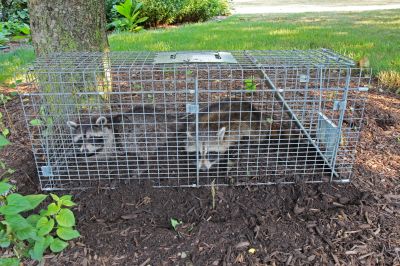
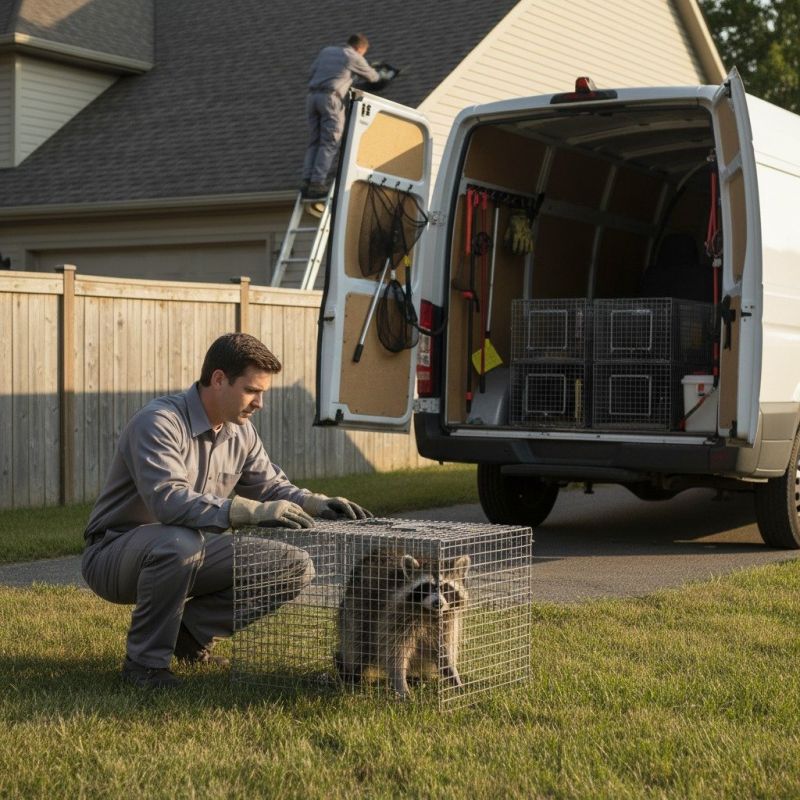
Homeowners often attempt DIY wildlife removal when they notice animals such as raccoons, squirrels, or birds in their attics or around their property. These projects can seem straightforward, especially when the wildlife appears to be minor or easily accessible. However, simple reasons for seeking professional help include the potential for animals to become aggressive if they feel threatened, or the difficulty in safely and effectively removing animals without causing injury or stress to the wildlife. Local contractors experienced in wildlife removal understand how to handle these situations carefully, reducing the risk of injury or property damage.
In more complex cases, DIY wildlife removal becomes risky and professional help is needed to ensure the problem is resolved properly. When animals have gained access to hard-to-reach areas or have created extensive nesting sites, attempting removal without proper tools or knowledge can lead to further damage or lingering health hazards. Additionally, if animals have left behind droppings or other contaminants, it can pose health risks that require specialized cleaning and removal methods. Local service providers are equipped to handle these challenges safely and efficiently, making them a valuable resource for property owners facing difficult wildlife issues.
When does DIY wildlife removal become risky and professional help is needed? Wildlife removal can become risky and professional help is needed when animals are difficult to access, aggressive, or have caused extensive damage, making safe removal challenging for untrained individuals.
What signs indicate that wildlife removal requires professional assistance? Signs include animals nesting in hard-to-reach areas, repeated entry points, or evidence of large or dangerous species, suggesting that trained service providers are better equipped to handle the situation safely.
Are there health risks associated with DIY wildlife removal? Yes, attempting wildlife removal without proper precautions can expose individuals to zoonotic diseases, bites, or infections, which is why trained service providers are recommended for handling potentially hazardous animals.
When should I avoid trying to remove wildlife myself? DIY wildlife removal should be avoided if animals are inside living spaces, appear injured or trapped, or if there is a risk of animals being aggressive or difficult to handle without specialized equipment.
How do local contractors determine when professional wildlife removal is necessary? Local contractors evaluate factors like animal species, location, extent of infestation, and safety concerns to decide if professional wildlife removal services are the safest and most effective option.
Assessing wildlife entry points - Property owners can identify potential entry points and seek advice from local contractors on safe sealing methods to prevent future intrusions.
Handling injured or trapped animals - When wildlife appears injured or trapped, consulting with professionals ensures humane removal and reduces safety risks.
Dealing with large or aggressive animals - Encountering large or aggressive wildlife, such as raccoons or squirrels, may require specialized equipment and expertise from local service providers.
Addressing persistent or recurring issues - Ongoing wildlife problems often indicate underlying structural issues best handled by experienced contractors to ensure effective, safe solutions.
If you are thinking about when DIY wildlife removal becomes risky and professional help is needed for a property, this guide is meant to help you understand this topic, the typical project types, and how different options might fit your plans.
When you are ready, you can use the quote form on this page to share a few details about your project. From there, local pros can review the basics and follow up with options that match what you have in mind.